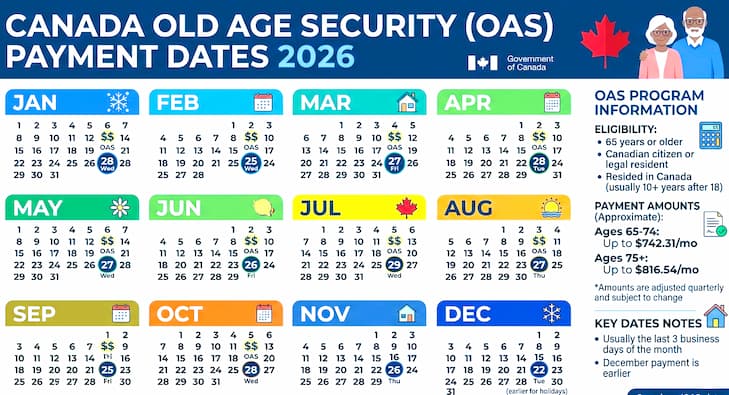

Losing a spouse is one of the hardest things life throws at a person. In addition to the big emotional toll, many Canadian seniors also end up facing heavy financial questions, especially around government supports. A usual worry is , What Happens to GIS After a Spouse Dies , and how the loss of a spouse changes monthly Guaranteed Income Supplement (GIS) payments. Knowing the real answer can help the surviving spouse get clear on what steps to take, how the benefits might shift over time, and what forms of help they may still qualify for.
The Guaranteed Income Supplement (GIS) is a monthly, non-taxable benefit. It is paid to low-income seniors who are receiving Old Age Security, OAS. Because GIS depends on household income and marital situation, when a spouse passes away it can change the amount you receive quite a bit.
This 2026 guide talks through how GIS shifts after the death of a spouse, what steps to take next, how survivor income is assessed, and what you can expect from Service Canada. Whether you recently lost a spouse or you’re assisting a family member through the process, knowing these rules can help you prevent payment interruptions ,and make sure you get the benefits you’re allowed to receive.
Understanding How GIS Works
Before you get into What Happens to GIS After a Spouse Dies, it helps to see how the Guaranteed Income Supplement , (GIS) works and how it is actually calculated. It is useful to know the foundation of GIS eligibility, income rules and the way payments are figured. With that background, it becomes easier to understand why the benefit amount can move after the loss of a spouse.
The Guaranteed Income Supplement is meant to add extra financial support for seniors who have low income. Unlike Old Age Security, GIS payments depend on a few things, including:
- Your marital status
- Your yearly income
- Whether your spouse is also getting OAS or GIS
- Your joint household income, for couples
Every July, Service Canada recalculates GIS using details from your income tax return from the prior year. This yearly check is there to make sure the payments match your present finances.
When one spouse dies, the household income picture shifts quickly, and the approach used to compute GIS can change too.
Does GIS Stop Right Away After a Spouse Dies?
No. In most situations, GIS does not end the moment your spouse passes.
Instead, Service Canada looks at your new situation and then sets your updated eligibility using your changed marital status and income.
However if Service Canada has not yet been told about the death, your payments might keep going for a short time , using the household info you had before, until your file gets updated.
That is why it matters a lot to contact Service Canada as quickly as you can.
Why Your GIS Might Change
Lots of seniors think losing a spouse automatically means getting less money. Surprisingly, that is sometimes not the story.
Since GIS is income-tested, becoming a surviving single senior often affects the math.
Several things get looked at, for example
- the loss of your spouse’s pension income
- CPP retirement benefits your spouse used to receive
- workplace pensions
- investment income
- survivor benefits
- your own yearly income
Even if household income drops, the income limits for single seniors are not the same as for couples. Because of this, many surviving spouses end up qualifying for a higher GIS payment after their benefits are reviewed again.
Each case is a bit different, so the exact amount will depend on the details of your own financial situation.
How Service Canada finds out about the death
Service Canada can learn about a passing through multiple paths, like
- Provincial vital statistics offices
- A family member
- Funeral homes that take part in these notification services
- Executors or estate representatives
Even when another organization already reported the death, a surviving spouse should still reach Service Canada, so the records get updated without delay.
If you report late, you might see
- GIS amounts calculated incorrectly
- Changes to benefits
- Potential overpayments that later need repayment
- Delays when they recalculate what you are entitled to
What to do right away
After your spouse dies , a few immediate actions can help keep your GIS in the right place.
- Tell Service Canada
Contact Service Canada as soon as you can to report the death.
You will typically be asked for
- Your Social Insurance Number (SIN)
- Your spouse’s SIN
- The date of death
- Personal identification
Keeping your marital status up to date helps Service Canada start reviewing your GIS entitlement, and yeah it may take a bit.
- Filing Required Tax Returns
Tax income returns are one of the most important criteria for GIS calculations.
In most situations you will need:
- Your annual tax return
- Your spouse’s final tax return
- Any required estate related filings
If taxes are not filed , GIS reassessments can be delayed and also your future payments.
- Look at Other Federal Supports
Aside from GIS, a few other federal programs can be affected once your spouse passes away, such as:
- Old Age Security (OAS)
- Canada Pension Plan survivor benefits
- Allowance related benefits (when it applies)
Knowing how each program works together can support better budgeting for your finances.
If you’re already receiving Old Age Security, you may also find our guide on “How OAS Is Calculated helpful for understanding how your retirement benefits are determined alongside GIS.
Temporary Income Changes After a Spouse’s Death
The year your spouse dies can, really create odd income situations, sometimes with surprises.
For example, you might end up receiving :
- CPP death benefit
- Survivor pension payments
- Estate distributions
- Insurance proceeds
- Final employment income
Now some of these amounts affect GIS calculations, while others do not, so it can get confusing.
Since each income type is handled differently under federal rules, surviving spouses should review closely which amounts need to be reported.
This is one reason financial advisors often encourage you to keep detailed records of every payment you receive after your spouse’s death.
Will you be considered single right away?
In most cases, yes.
Once Service Canada updates your file, your marital status changes from married to widowed.
That said, GIS payments might not get recalculated right away if Service Canada still needs more paperwork, or a swift income check. In some cases, the review process may drag on a bit, especially when supporting documents are absent or when extra clarification comes up. As a result, you could see a temporary pause before your revised benefit amount gets finalized. Therefore, if you send in any requested information promptly, it can help move the reassessment along and lower the odds of payment delays.
In certain situations, Service Canada may ask you for :
- Income estimates
- Supporting documents
- Tax information
- Proof of survivor benefits
Giving the requested info fast can help avoid delays.
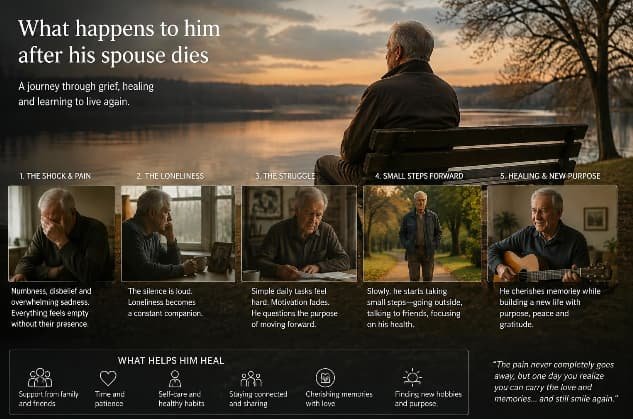
What Happens to GIS After a Spouse Dies?: Could Your GIS Increase?
Yes.
Many widowed seniors actually get higher monthly GIS payments.
Here is why, in plain terms:
The GIS initiative understands that a surviving spouse now has just one income source to pay for costs that used to be shared between two people.
Even when certain household costs go down, several fixed costs often stay in place, like:
- Property taxes
- Rent
- Utilities
- Home upkeep
- Prescription medications
- Insurance
So, the GIS income limits for single seniors usually end up higher than for married couples. Because of that, some widowed recipients can meet the conditions for increased help.
Naturally, this is not a sure thing. If you receive a meaningful survivor pension or investment income, your GIS may stay about the same, or possibly reduce, depending on your total income.
If you’re uncertain which earnings actually count toward your benefit calculation, take a look at our article on “What Income Affects GIS?” to better understand which income sources could raise or lower your monthly GIS payment.
Special Rules During the Transition Year
The year your spouse dies is often seen as a transition year, because your financial condition shifts a lot. During that time Service Canada may lean on different details to figure out your GIS eligibility.
Usually, GIS payments that start each July are tied to the income tax return from the prior year. But if your earnings have gone down a lot because of your spouse’s death, you might be able to request a reassessment using your current expected income, instead of waiting for the next yearly review.
This approach can be especially handy when:
- Your household income has dropped a great deal.
- Your spouse’s pension money is no longer coming in.
- There has been a major decline in retirement income.
- You are having trouble covering daily living costs.
If you think your income has changed considerably, reach out to Service Canada and ask whether you meet the requirements for an income reassessment.
How Survivor Benefits Can Influence GIS
After a spouse passes away, many surviving husbands or wives get extra benefits. But whether these payments impact GIS depends on what kind of money is coming in, and how it is classified in the end. In other words, not every payment behaves the same way once it hits your file.
Here are examples of income that may influence GIS, including things like
- Canada Pension Plan CPP Survivor’s Pension
- Pension income from employment
- RRIF or RRSP withdrawals
- Interest and investment earnings
- Rental income
Some special one-time payments, for example the CPP Death Benefit , could be handled differently for GIS than ongoing monthly support.
Since every financial case is different , it can help to go over your specific situation with Service Canada, just to confirm how a particular payment will be treated for GIS.
Common Mistakes to Avoid
A lot of payment delays and overpayments happen because key details are not shared quickly enough.
Avoid these mistakes
Waiting Too Long to Report the Death
Contact Service Canada as soon as you reasonably can. If you wait, it can lead to wrong payments, and those amounts may later need to be paid back, or adjusted in your account.
Forgetting to File Your Tax Returns
GIS eligibility gets reviewed each year using your income tax information. Even when your income is very low, still, filing your tax return stays essential, because that data is what gets checked.
Assuming Your GIS Will Stay the Same
Your GIS amount is usually going to change after your spouse passes away. Look closely at what you receive once Service Canada finishes its reassessment , because the numbers might shift.
Not Updating Your Personal Information
If your mailing address , banking setup, or contact details change, update them right away. Otherwise, you may run into delays getting letters, or payments arriving late.
If you’ve recently moved or changed financial institutions, our guide on “How to Change Banking Information with CRA (2026)“ explains how to keep your government payment details up to date.
How Long Does the Reassessment Take?
The length of time it takes Service Canada to recalculate GIS depends on a few things, including:
- How quickly the death is reported
- Whether all needed documents have been submitted
- Tax return processing times
- Whether more income verification is needed
Often, most reassessments are finished within a few weeks, though complicated situations can end up taking longer ,and yes sometimes quite a bit longer too.
Keeping copies of all correspondence and replying quickly if you get asked for extra details can help move things along faster.
Financial Planning After Losing a Spouse
Beyond GIS, it is still smart to review your full financial picture after your spouse passes.
You may want to examine:
- Monthly household budget
- Pension income
- Investment accounts
- Insurance policies
- Estate documents
- Government benefits
- Banking arrangements
Many seniors also find it useful to talk with a financial advisor or a local community group that specializes in retirement preparation.
Taking some time to sort out your finances can ease stress and support clearer decisions during a hard stretch.
Where to Get Help
If you are unsure about your GIS eligibility after your spouse dies, dependable help is available.
You can:
- Reach out to Service Canada for anything that is connected to benefits questions, especially if it’s about what happens after a spouse dies.
- Go to a Service Canada Centre if you want help in person and you need someone to walk you through it.
- Talk with a qualified financial planner or a tax professional if you want tailored guidance.
- Also consider contacting a local seniors support organization in your area, since they can point you toward the right next steps.
- When you’re deciding anything about your retirement benefits, always lean on official Government of Canada information. It matters a lot.
Check the official Government of Canada webpages for details on the Guaranteed Income Supplement , Old Age Security, and Canada Pension Plan survivor benefits.
Frequently Asked Questions
Does GIS stop when my spouse dies?
No. GIS does not automatically stop. Service Canada does a reassessment of your eligibility based on your new marital status and income.
Will my GIS payment increase?
Potentially. Many widowed seniors see a higher GIS payment because the eligibility rules and the income thresholds for single seniors differ from those for couples.
Do I need to report my spouse’s death?
Yes. Notify Service Canada as soon as possible so your benefits are updated correctly, and you can avoid overpayments too.
Does the CPP Survivor’s Pension affect GIS?
Yes, in many situations the CPP Survivor’s Pension is treated as income and it can change your GIS amount.
Do I still need to file taxes?
Yes, definitely. Submitting your annual income tax return is vital so you can keep receiving GIS and other federal income-tested supports.
Can I ask for a reassessment if my income drops?
Yes. If your income has reduced a lot after your spouse passed away, you might be able to request that Service Canada re-check your GIS using your current income.
Final Thoughts
Losing a spouse is never easy, and managing the money side can feel heavy during such a trying time. Thankfully , Canada’s Guaranteed Income Supplement is built to reflect changes in your situation.
For many seniors, becoming widowed does not automatically mean losing GIS. Instead, Service Canada checks your updated marital status and your income to decide what you are still able to receive. In many situations, the surviving spouse may even qualify for a higher monthly amount.
The most crucial steps are to report the death promptly, complete every required income tax return, keep your contact details up to date, and review any changes to your retirement income. When you understand how GIS behaves after the death of a spouse, you can prevent avoidable delays, and you can make sure you continue getting the financial help you are eligible for.