
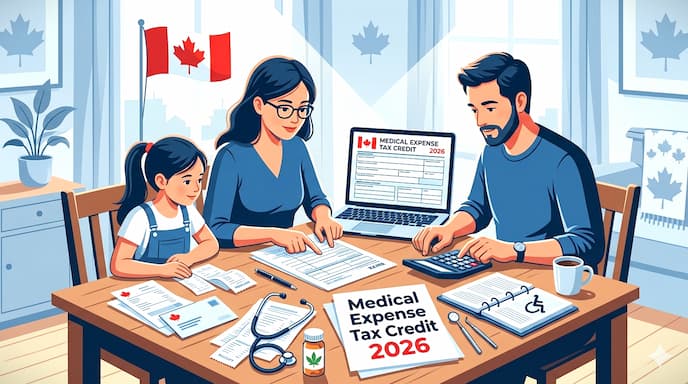
Medical Expense Tax Credit Canada 2026 is an important tax credit that helps Canadians reduce their income tax by claiming eligible healthcare expenses, which is honestly pretty helpful. If you spend money on prescription medications, dental treatments, vision care, mobility aids, or home care services, this tax credit can help cover part of those costs and give you some real financial relief later on.
Medical expenses can put a big strain on people and families, especially since healthcare costs keep going up. From regular dental checkups to more specialized treatments, and even disability related expenses, many Canadians end up paying thousands of dollars every year for necessary medical care.
Good news, though: the Medical Expense Tax Credit (METC) lets eligible taxpayers include a broad set of medical expenses on their annual tax return. The credit does not function like a direct cash payment; it primarily reduces the income tax you owe and can make your overall tax savings feel much better.
In this complete guide, you’ll learn pretty much everything you need to know about the Medical Expense Tax Credit Canada 2026, including who is eligible, which health-related costs are considered, and how to claim the credit. Also, common mistakes you should avoid and ways to maximize your tax advantage, in a more precise way, maybe.
What Is the Medical Expense Tax Credit (METC)?
The Medical Expense Tax Credit (METC) is non-refundable, and it helps Canadians cover some of the cost for eligible medical expenses, like, you know, those types of costs.
Since it is a non-refundable credit, it lowers the income tax you owe, but it does not send you a direct cash payment if your taxes owed are already at zero.
This benefit is available to:
- Individuals
- Married couples
- Common-law partners
- Parents who are claiming costs for children
- Caregivers supporting eligible dependents
The CRA lists hundreds of medical expenses, so METC becomes one of the better tax credits available.
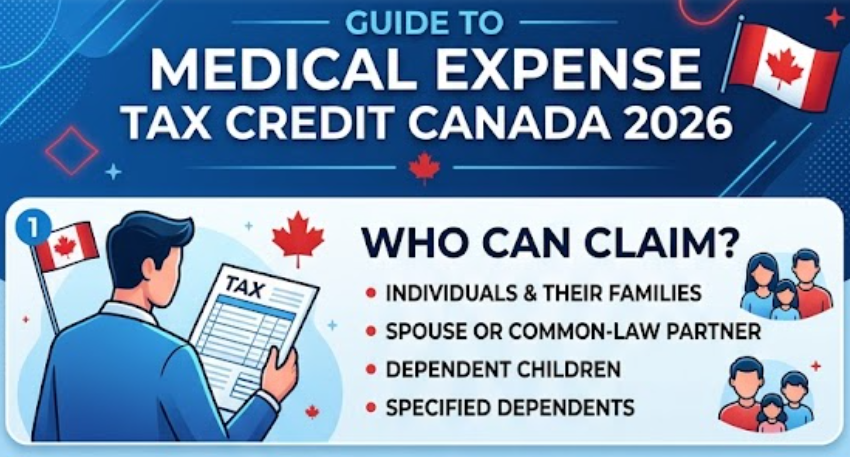
Who Can Claim the Medical Expense Tax Credit in 2026?
You may be able to list certain medical expenses you paid for, even if things get a bit confusing sometimes:
- Yourself
- Your spouse or common-law partner
- Also, your children who are under 18 years old
- Certain dependent relatives
Dependent relatives can include things like
Parents, grandparents, brothers, sisters, uncles, aunts, nephews, nieces
For these dependent relatives, the general rule is that they typically have to lean on you financially, or there needs to be a physical or mental impairment that limits them.
What Medical Expenses Can You Claim?
The CRA keeps a pretty long list of expenses that are considered eligible for medical claims.
A few of the things people usually request include, in no particular order, like
Prescription medications
You might be able to claim: prescription drugs, insulin, plus those prescription creams. Also, certain medically necessary treatments can count. That said, over-the-counter medicines typically do not qualify unless a specific exception shows up.
Dental expenses
Eligible dental expenses can include, for example: dental exams, teeth cleaning, fillings, crowns, dentures, orthodontic treatments, root canals, and gum disease treatments. A lot of Canadians end up spending thousands of dollars on dental care each year
If you qualify for government dental assistance, you could also want to check our Canada Dental Benefit 2026 guide, which lays out eligibility and benefit amounts.
Vision care expenses
You may claim: prescription eyeglasses, contact lenses, eye examinations, laser eye surgery, and certain vision correction procedures. Vision-related medical expenses often rank among the more frequently claimed healthcare costs.
Mobility aids and medical devices
The CRA lets you claim expenses for a whole range of assistive devices, including things like
- Wheelchairs
- Walkers
- Hearing aids
- Artificial limbs
- Orthopedic shoes
- CPAP machines
- Oxygen equipment
- Hospital beds
Make sure to hold on to receipts and the medical prescriptions when they’re needed, as required.
Home care services
You might be able to claim expenses that relate to :
- Nursing care
- Home support services
- Attendant care
- Specialized disability assistance
A lot of seniors and people with disabilities rely on these kinds of supports to keep their day-to-day life steady and independent.
If you care for a family member with a disability, our Canada Caregiver Credit 2026 guide talks about another helpful tax credit that could lower your taxes.
Travel costs for medical care
You can claim some travel expenses when you have to travel to receive health services.
What could qualify usually includes :
- Public transportation
- Taxi fares
- Vehicle expenses
- Parking fees
- Accommodation costs
- Meals in situations that qualify
In general, medical treatment cannot be available close to where you live.
The CRA applies specific rules regarding travel distance and eligible expenses.
Can You Claim Medical Expenses for Your Child?
Yes.
Parents can end up claiming eligible medical expenses that were actually paid for things like:
- Prescription medications
- Dental treatments
- Hearing aids
- Vision care
- Therapy services
- Mobility equipment
- Specialized care
If you’re raising a child with a disability, you may qualify for extra benefits as well.
You might also want to check out our Canada Child Disability Benefit 2026 guide. This guide lays out the tax-free payments that are available to eligible families.
Can Seniors Claim the Medical Expense Tax Credit?
Absolutely.
Many seniors face significant healthcare expenses, including:
- Prescription drugs
- Home nursing services
- Mobility devices
- Hearing aids
- Dental care
- Long-term care expenses
The Medical Expense Tax Credit helps reduce some of these financial pressures.
Seniors may also qualify for:
- Old Age Security (OAS)
- Guaranteed Income Supplement (GIS)
- Canada Pension Plan (CPP)
- Disability Tax Credit
For more information, check our Top Government Benefits for Seniors in Canada 2026 Guide, which explains the major federal benefits available to seniors.
Medical Expenses for People With Disabilities
People with disabilities often end up with higher medical costs overall.
Some common eligible expenses can include wheelchairs, specialized transport, attendant care, home accessibility improvements, speech therapy, occupational therapy, sign language interpretation, and adaptive technologies.
The Medical Expense Tax Credit may work together with other disability programs in a complementary way.
If you haven’t already, read our Disability Tax Credit Canada 2026 guide. It can show you how the DTC might further reduce your taxes.
Can You Claim Both the Medical Expense Tax Credit and Disability Tax Credit?
Yes.
Many Canadians qualify for both.
Medical Expense Tax Credit
- Covers eligible healthcare expenses.
- Based on actual expenses paid.
- Available to a broad range of taxpayers.
Disability Tax Credit
- Designed for people with severe and prolonged impairments.
- Requires medical certification.
- Can reduce taxes significantly.
Claiming one does not automatically disqualify you from the other.
In fact, many families maximize their tax savings by claiming both.
Can You Claim the Canada Caregiver Credit and METC Together?
Yeah, many caregivers end up paying a lot of the medical bills for loved ones while also providing financial support as well as personal help in day-to-day life. It’s not just one thing; it’s everything.
If you help with things like:
- An elderly parent
- A spouse with disabilities
- A child with special needs
- Another dependent relative
You might be eligible for:
- Medical Expense Tax Credit
- Canada Caregiver Credit
- Disability Tax Credit
In our Canada Caregiver Credit 2026 article, we break down who is eligible, plus how you can claim this caregiver tax credit, step by step.
What Expenses Are Not Eligible?
Not all healthcare costs count.
Common expenses that are not eligible include
- Cosmetic surgery is done for aesthetic reasons
- Over-the-counter vitamins
- Medications without a prescription
- Gym memberships
- Health insurance premiums in certain situations
- General wellness programs
- Non-medical beauty treatments
Before you claim any expense, you should check if the CRA sees it as eligible.
How to Claim the Medical Expense Tax Credit in 2026
Claiming the METC is usually pretty straightforward if you keep accurate records, because otherwise it just gets messy later.
Step 1: Gather your receipts
Try to keep receipts and slips for prescription drugs, dental expenses, medical devices, travel expenses, therapy services, and hospital costs. The CRA might ask for proof later, so it helps to have it ready.
Step 2: Pick a 12-month window
You can generally choose any 12-month period that ends in the tax year. This flexibility lets you maximize the claim without overthinking it.
For example:
If you had costly dental treatments in late 2025 and early 2026, you may choose a period that covers both times, so the totals look better.
Step 3: Work out what actually qualifies
Add up things like medical bills, prescription costs, dental expenses, vision care costs, travel expenses, and disability related costs that qualify. Just make sure each item meets the CRA requirements; not everything medical automatically counts.
Step 4: Submit your tax return
Put the medical expenses on the right lines of your income tax return.
Most certified tax software automatically calculates:
- Provincial tax credits
- Eligible expenses
- Federal credit amount
Review all information carefully before submitting your return.
Do You Need to Submit Receipts to the CRA?
Usually, no.
You generally do not need to hand in receipts when you file electronically, in most cases.
Still, keep track of these, just in case:
- Receipts
- Medical prescriptions
- Travel records
- Doctor’s certificates
- Hospital invoices
The CRA may ask for them later if they review your claim.
Common Mistakes to Avoid
Lots of Canadians miss really valuable tax savings, mainly because they make a few easy errors.
1. Tossing receipts out
Keep every piece of proof, like:
- Prescription receipts
- Dental invoices
- Hospital bills
- Therapy records
If you do not have paperwork, showing your claim can get hard fast
2. Forgetting travel spending
A lot of people ignore things such as:
- Mileage
- Parking
- Hotels
- Meals
- Transportation costs
These might work if the health care you needed required the trip
3. Missing costs tied to disability
Disability related costs often fall under
- Medical Expense Tax Credit
- Disability Tax Credit
- Canada Caregiver Credit
Using these credits together can lead to a noticeable tax reduction
4. Not filing taxes
Even when your income is low, filing still matters.
The CRA checks your tax return to figure out things like:
- GST/HST Credit
- Canada Child Benefit
- Housing benefits
- Medical expense amounts
- Disability related tax credits
How to Check Your CRA Account
Your CRA account allows you to:
- Review tax returns
- Track refunds
- Check notices of assessment
- Update personal information
- Manage direct deposit
If you need help signing in, our CRA Login Guide 2026 explains the process step by step.
If you encounter problems accessing your account, read CRA Login Problems 2026 for troubleshooting tips.
Why Direct Deposit Matters
Direct deposit offers:
- quicker refunds and you know,
- safe payments
- automatic deposits
- less chances of mislaid cheques
If you haven’t enrolled yet, our CRA Direct Deposit Setup Guide 2026 explains how to register and refresh your banking details.
Frequently Asked Questions
Is the Medical Expense Tax Credit a Cash Benefit?
No.
The Medical Expense Tax Credit is a non-refundable tax credit that reduces the income tax you owe.
Can I Claim Dental Expenses?
Yes.
Many dental expenses qualify, including:
- Cleanings
- Fillings
- Crowns
- Dentures
- Orthodontic treatments
Can I Claim Medical Expenses for My Parents?
Yes.
You may claim eligible expenses for certain dependent relatives, including parents, if you meet CRA requirements.
Can I Claim Both METC and DTC?
Yes.
Many Canadians claim both the Medical Expense Tax Credit and the Disability Tax Credit.
Do I Need to Submit Receipts?
Usually not when filing.
However, you should keep all receipts because the CRA may ask for them later.
Final Thoughts
The Medical Expense Tax Credit Canada 2026 is still a pretty powerful tax credit that many Canadians rely on.
If you’re paying for prescribed medications, dental care, mobility devices, or other specialized services for disability needs, then claiming the right medical expenses can lower your tax owing and help your personal finances stay steadier.
And if you keep organized records, learn what counts as eligible, and also look into matching programs nearby, you can stretch your tax savings further and make sure you are getting every possible benefit that’s available to you.

Pingback: Canada Workers Benefit Eligibility 2026 | Benefitspulsehub